

How to Organise Under the Stairs Storage
The space under your stairs is one of the most useful — and most neglected — areas in a British home. It is usually triangular, awkward and home to a jumble of shoes, carrier bags and half-used tins of paint. Treated properly, though, it can become the hardest-working cupboard in the house: a place where coats hang, the Hoover lives, and every spare battery has a home. The trick is to work with the slope rather than against it, and to give every item a clearly defined spot.
Start by Working Out What the Space Can Actually Do
Before you buy a single basket, empty the cupboard completely. Yes, all of it — including the Christmas decorations you have not opened since 2019. As you pull things out, sort them into three piles: keep, relocate and let go. Be honest here. If something has sat untouched under the stairs for two years, it can almost certainly leave the house.
Next, measure the space properly. Under-stairs cupboards are rarely square, so note the height at the doorway, the height at the tallest point, the width and the depth. Pay attention to the door too — a narrow door frame will limit what you can slide in and out, no matter how generous the space beyond it.
Then decide what the cupboard is for. Trying to store coats, cleaning products, paperwork and the ironing board in one small triangle rarely ends well. If you have another cupboard for coats, use this one for cleaning kit. If this is your only hallway storage, dedicate the tall end to hanging and the low end to boxes. One clear purpose makes everything that follows much easier.
Use the Slope with Pull-Out Drawers and Baskets
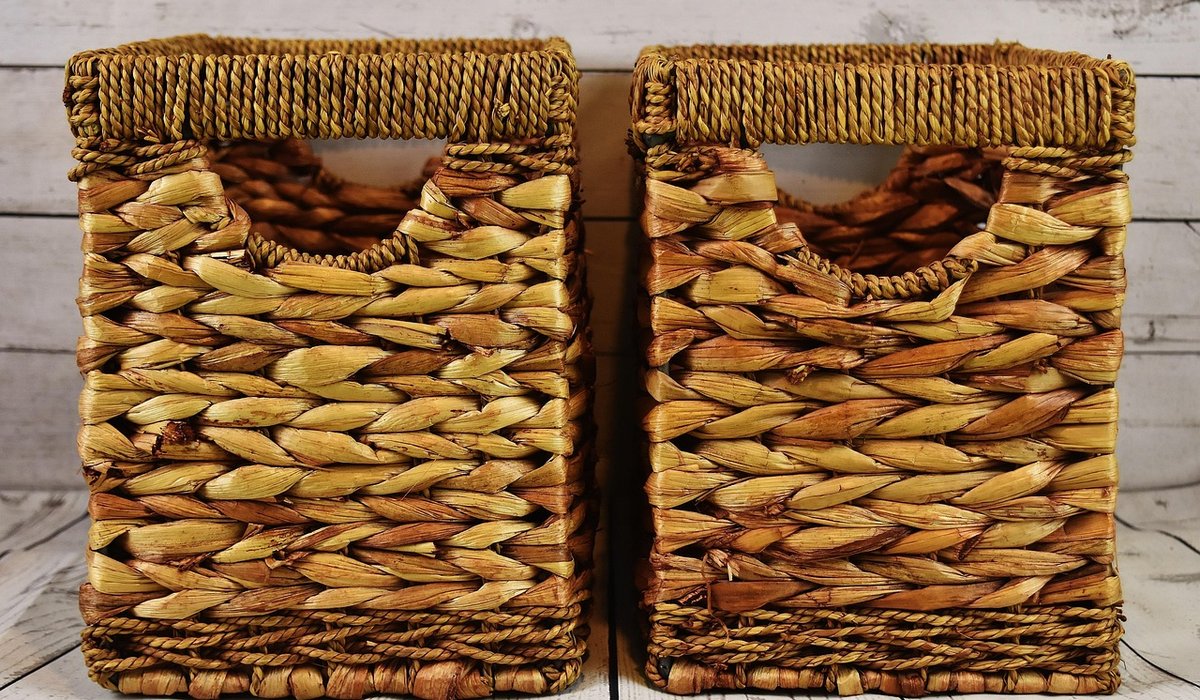
The problem with under-stairs storage is that anything pushed to the back is effectively lost. You end up crouching, swearing and dragging out three boxes to reach one pair of wellies. Pull-out drawers solve this completely.
Deep, wheeled drawers work beautifully in the taller section, where you can stack them two or three high. Look for units that fit the width of your cupboard with a little breathing room, and choose solid bases rather than flimsy fabric if you plan to store anything heavy. If you are handy, or happy to pay a carpenter, made-to-measure drawers that follow the angle of the stairs make the most of every centimetre — and they look smart enough to leave on show.
For the shallow end, where the ceiling drops to a few inches, use low lidded boxes for seasonal items: flip-flops, sun hats, spare lightbulbs. Clear or labelled boxes beat opaque ones every time, because you can see what you have without lifting the lid.
- Tall end: two or three stacked wheeled drawers for shoes, sports kit or cleaning supplies.
- Middle section: a single deep drawer for bulky items such as the ironing board cover or picnic blanket.
- Low end: flat, lidded boxes for seasonal or rarely used items.
Add Shelves and Label Everything
Shelving is the quiet hero of under-stairs organisation. Adjustable shelves on brackets let you change heights as your needs shift — and they cost very little. Keep the bottom shelf for heavy things such as bottles of cleaning fluid and the vacuum, and use higher shelves for lighter items.
Once the shelves are in, group things by job rather than by category. A "cleaning" shelf holds cloths, sprays and rubber gloves together. A "household" shelf holds batteries, fuses and spare bulbs. This is how you stop buying a fourth torch because you cannot find the other three.
Then label. A labeller is lovely, but masking tape and a permanent marker do the job perfectly well. Label the shelf edge and the box, not just the contents, so anyone in the household can put things back in the right place. For a family cupboard, this single step saves more arguments than almost anything else.
Make Room for Coats, Bags and Cleaning Tools
If your under-stairs space doubles as hallway storage, hanging is your best friend. A short rail fitted to the tall end takes children's coats, dog leads and reusable shopping bags. Keep the rail high enough that hems clear the floor, and add a shelf above it for hats and gloves in a labelled basket.
Hooks are the other essential. A row of sturdy hooks on the inside of the door is ideal for the dog lead, the umbrella, the shopping bag and the duster. On the back wall, fit a couple of clips or a simple bracket to hold the broom, mop and dustpan off the floor. A vacuum cleaner with a wall mount frees up a surprising amount of space.
Do keep one thing in mind: cleaning products should live above children's and pets' reach, ideally in a lidded box or on a high shelf. Under-stairs cupboards are often cool and dark, which is fine for most household items, but not for anything that might be damaged by damp — so avoid storing photographs, paperwork or delicate fabrics directly against an outside wall.
Keep It Calm with a Two-Minute Tidy
An organised cupboard stays organised only if it is easy to maintain. Aim to give it a quick tidy every week: straighten the boxes, return stray items, and put anything that does not belong there in a basket by the door to be carried upstairs. Once a season, take five minutes to pull everything out and check for things you no longer need.
The reward is not just a tidier hallway. It is the small, daily pleasure of opening the cupboard and finding exactly what you need, straight away — wellies for the school run, the Hoover when the dog has been in the flowerbed, a spare bulb when one blows at bedtime. That is what calm living at home really looks like: not a perfect house, but one where everything has a place and nothing is a struggle to find.


Decluttering
-
Clear and wipe counters, put away dry dishes and create a small landing zone so your kitchen is ready for the next meal.


Cleaning Routines




-

Long established fact that a reader will be distracted
-

Long established fact that a reader will be distracted
-

Long established fact that a reader will be distracted




Storage Ideas
Karla Gleichauf
12 May 2017 at 05:28 pm
On the other hand, we denounce with righteous indignation and dislike men who are so beguiled and demoralized by the charms of pleasure of the moment
M Shyamalan
12 May 2017 at 05:28 pm
On the other hand, we denounce with righteous indignation and dislike men who are so beguiled and demoralized by the charms of pleasure of the moment
Liz Montano
12 May 2017 at 05:28 pm
On the other hand, we denounce with righteous indignation and dislike men who are so beguiled and demoralized by the charms of pleasure of the moment