

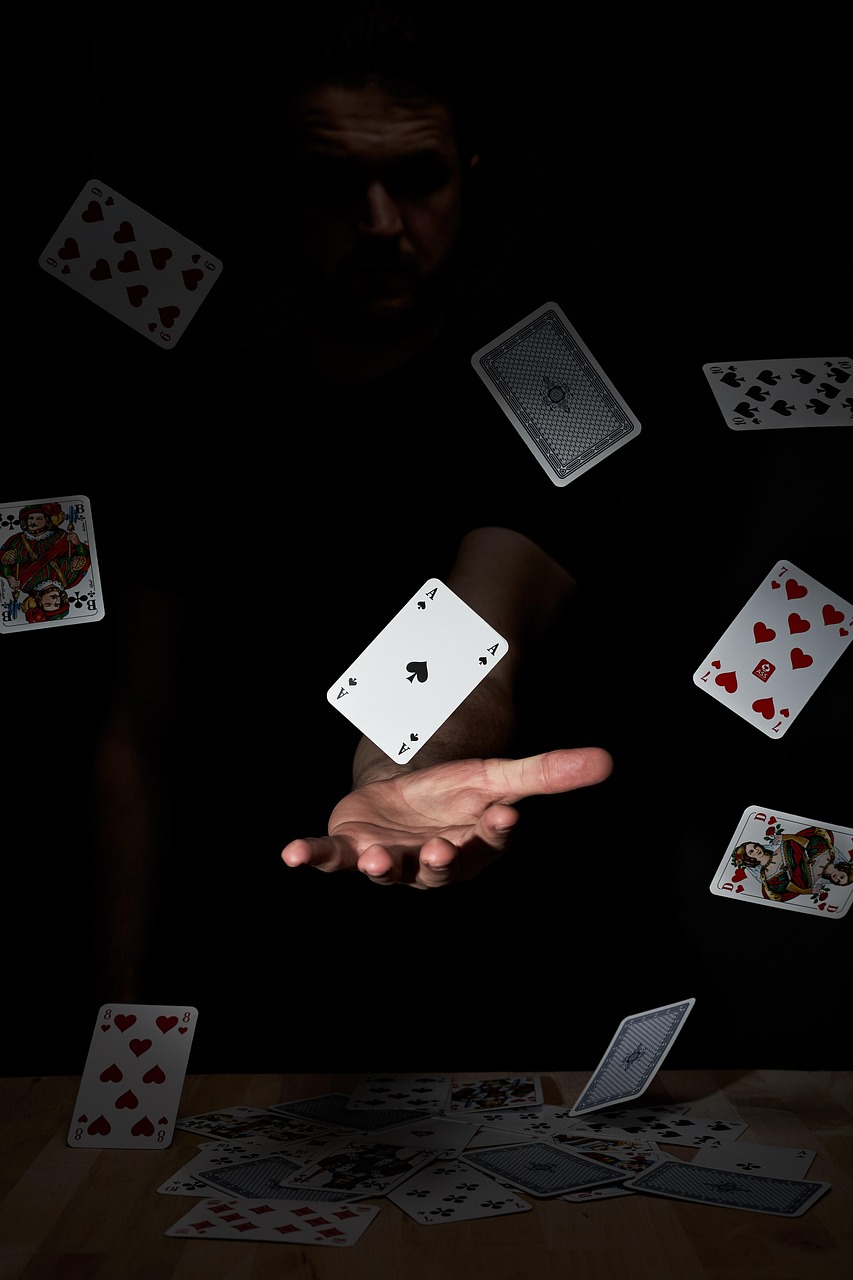
Slots, Poker, and the House Edge: A Realistic Guide
Ask ten people why they play casino games and you'll get ten different answers. Some chase the adrenaline of a slot spin, others prefer the quiet calculation of a poker hand. But ask them what separates a fun session from a frustrating one, and the answers converge fast: understanding what you're actually up against. That's what this article is about. Not get-rich-quick tricks, not affiliate fluff. Just a grounded look at how the main iGaming verticals work, where the smart players focus their attention, and where beginners typically lose money for reasons that have nothing to do with luck.
Why the House Edge Isn't the Whole Story
Every casino game carries a built-in mathematical advantage for the operator. That's not a scandal, it's the business model. But the size of that edge varies wildly, and understanding the difference is the first real skill in iGaming.
Roulette is the classic teaching example. European roulette has a single zero and a house edge of 2.7%. American roulette adds a double zero, pushing the edge to 5.26%. Same game, same rules, nearly double the cost per bet. A player who doesn't know that distinction is already donating extra money for no reason.
Slots are different. The edge is baked into the RTP (return to player), which typically ranges from about 92% to 97% on modern online slots. That means a 96% RTP slot returns 96 euros for every 100 wagered over the long run. Over a short session, variance dominates, which is exactly why slot play feels so random. It is random. The RTP just determines the long-term average.
- Blackjack (basic strategy): edge around 0.5%, one of the best bets in the building
- Baccarat (banker bet): 1.06%, quiet and efficient
- European roulette: 2.7%
- American roulette: 5.26%
- Typical online slot: 3-8% depending on the game
- Keno and scratch-style games: often 25% or worse
That list alone should change how you allocate your bankroll. If you enjoy slots, fine, but know you're paying for entertainment more heavily than a blackjack player is.
Slots: Volatility Matters More Than Theme
Picking a slot because the artwork looks cool is fine, but it's not a strategy. The two numbers that actually matter are RTP and volatility.
Volatility describes how the game distributes its wins. A low-volatility slot pays small amounts frequently, which stretches a bankroll and suits players who want a long, steady session. High-volatility slots pay rarely but can produce huge multipliers, which suits players willing to absorb long dry spells for a shot at a big hit. See iwin68club.it.com for a side-by-side comparison.
A practical approach: decide your session length first, then pick volatility to match.
- Set a hard loss limit before your first spin, and treat it as spent money.
- For a two-hour session on a small bankroll, lean toward low or medium volatility.
- For a short, thrill-focused session, high volatility with smaller bets makes sense.
- Check the RTP in the game's info panel. Anything below 95% is a tougher grind.
- Never chase losses by raising bet size. That's how bankrolls die.
One more thing worth knowing: bonus features on slots are often triggered by scatter symbols, and their payout frequency is separate from the base game. Two slots with identical RTP can feel completely different because of how the bonus round is structured. Reading the paytable isn't optional if you care about your money.
Poker: The Only Vertical Where You Can Have a Real Edge
Here's the uncomfortable truth that separates poker from everything else in iGaming. In slots, roulette, and baccarat, you're playing against a fixed mathematical system. In poker, you're playing against other people, and the house just takes a rake. That means a skilled player can genuinely win long-term.
But skill doesn't mean memorising hand rankings. It means understanding position, pot odds, and opponent tendencies. A player on the button acts last in most post-flop situations, which is a massive informational advantage. A player who understands that a flush draw has roughly 36% equity against a made pair on the flop can make profitable calls that a beginner folds.
Three concrete habits that separate winning micro-stakes players from losing ones:
- Play fewer hands. Tight-aggressive play beats loose-passive play at almost every low-stakes table.
- Track your results. If you don't know your win rate in big blinds per 100 hands, you're guessing.
- Study ranges, not specific hands. Thinking in terms of hand ranges is the single biggest leap a beginner can make.
Poker is also the most emotionally taxing vertical. Tilt, the state of playing badly because you're frustrated, is the number one bankroll killer. Recognising it and stepping away is a skill, not weakness.
Sports Betting: Line Shopping and Value
Sports betting has exploded in regulated markets, and the same principle applies as everywhere else: the edge is in the details. Bookmakers build a margin into their odds, usually between 4% and 8% on a two-way market. That margin is why betting on both sides of the same event always loses money.
The way sharp bettors fight this is line shopping. If Bookmaker A offers 2.10 on an outcome and Bookmaker B offers 2.05, taking the 2.10 is a free improvement in expected value. Over hundreds of bets, that difference compounds significantly.
Another key concept: implied probability. Odds of 2.00 represent a 50% implied chance. If you believe the true probability is 55%, that's a value bet. If it's 40%, you're burning money even if the bet occasionally wins.
Bankroll Management Is the Real Skill
This is the part nobody markets because it's not exciting, but it's what actually keeps players in the game. A simple framework works for most people:
- Separate your gambling money from your real money completely.
- Never bet more than 1-2% of your bankroll on a single slot spin or sports bet.
- For poker, keep at least 20 buy-ins for cash games and 50 for tournaments.
- Set win goals and loss limits, and walk away when you hit either.
Players who treat iGaming as entertainment with a budget enjoy it far more than those chasing a rescue. The math always wins eventually if you let it.
The Bottom Line
The iGaming world is enormous, and that's both its appeal and its trap. Slots offer spectacle, poker offers genuine competition, and betting offers analytical depth. What ties them together is that the players who last are the ones who understand the underlying numbers, set limits, and treat the whole thing as paid entertainment rather than an income strategy. You don't need to be a mathematician. You just need to respect the math. Do that, and the experience stays fun whether you're spinning reels, bluffing a river, or sweating a late bet.


Decluttering
-
Build a realistic weekly plan that covers kitchens, bathrooms and floors in short bursts, so your home stays fresh without marathon cleaning sessions.


Cleaning Routines




-

Long established fact that a reader will be distracted
-

Long established fact that a reader will be distracted
-

Long established fact that a reader will be distracted




Storage Ideas
Karla Gleichauf
12 May 2017 at 05:28 pm
On the other hand, we denounce with righteous indignation and dislike men who are so beguiled and demoralized by the charms of pleasure of the moment
M Shyamalan
12 May 2017 at 05:28 pm
On the other hand, we denounce with righteous indignation and dislike men who are so beguiled and demoralized by the charms of pleasure of the moment
Liz Montano
12 May 2017 at 05:28 pm
On the other hand, we denounce with righteous indignation and dislike men who are so beguiled and demoralized by the charms of pleasure of the moment